 Composite Tank
 Industrial water tank


Composite Front and Rear Bumpers — The Smart Alternative to Traditional Metal Bumpers
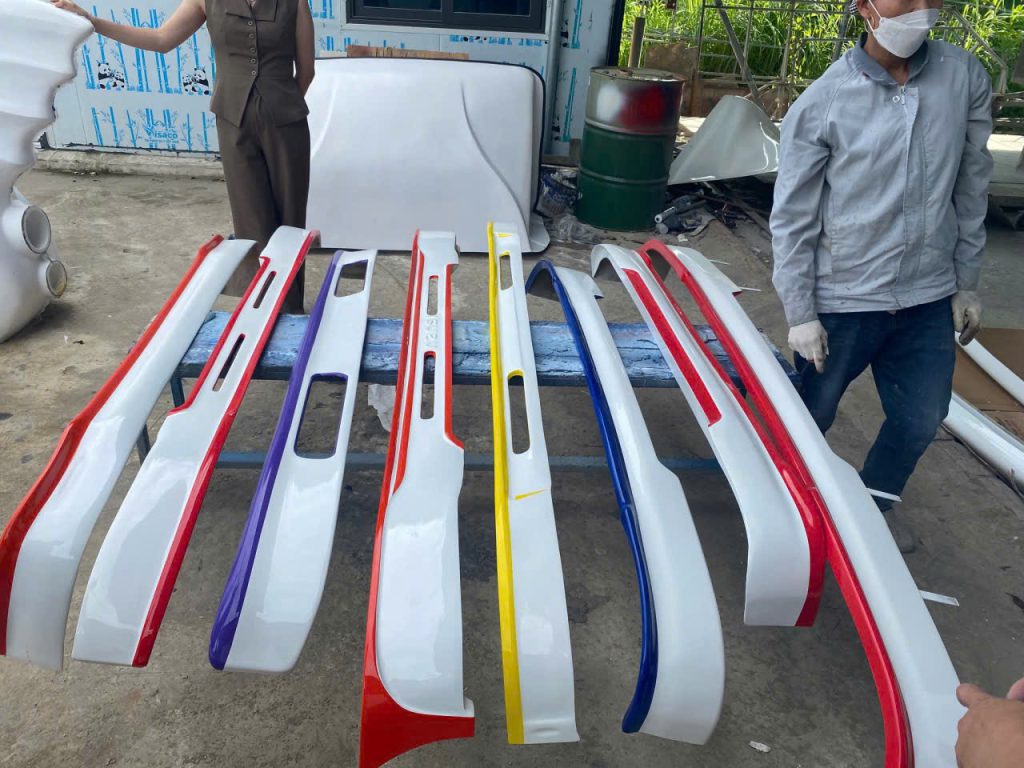
In a car’s structure, the front bumper and rear bumper play a crucial role — not only ensuring safety during collisions but also enhancing the vehicle’s strength and aesthetics. Nowadays, replacing traditional metal bumpers with composite bumpers has become a smart choice for many car owners, thanks to their superior durability, lightweight design, and excellent rust resistance. If you’re wondering which type of bumper suits your vehicle — whether it’s a Kia Morning, Ford Ranger, or Fortuner 2015, join AT Newtech below to explore the best solution for your car.
1. What Are Front and Rear Bumpers?
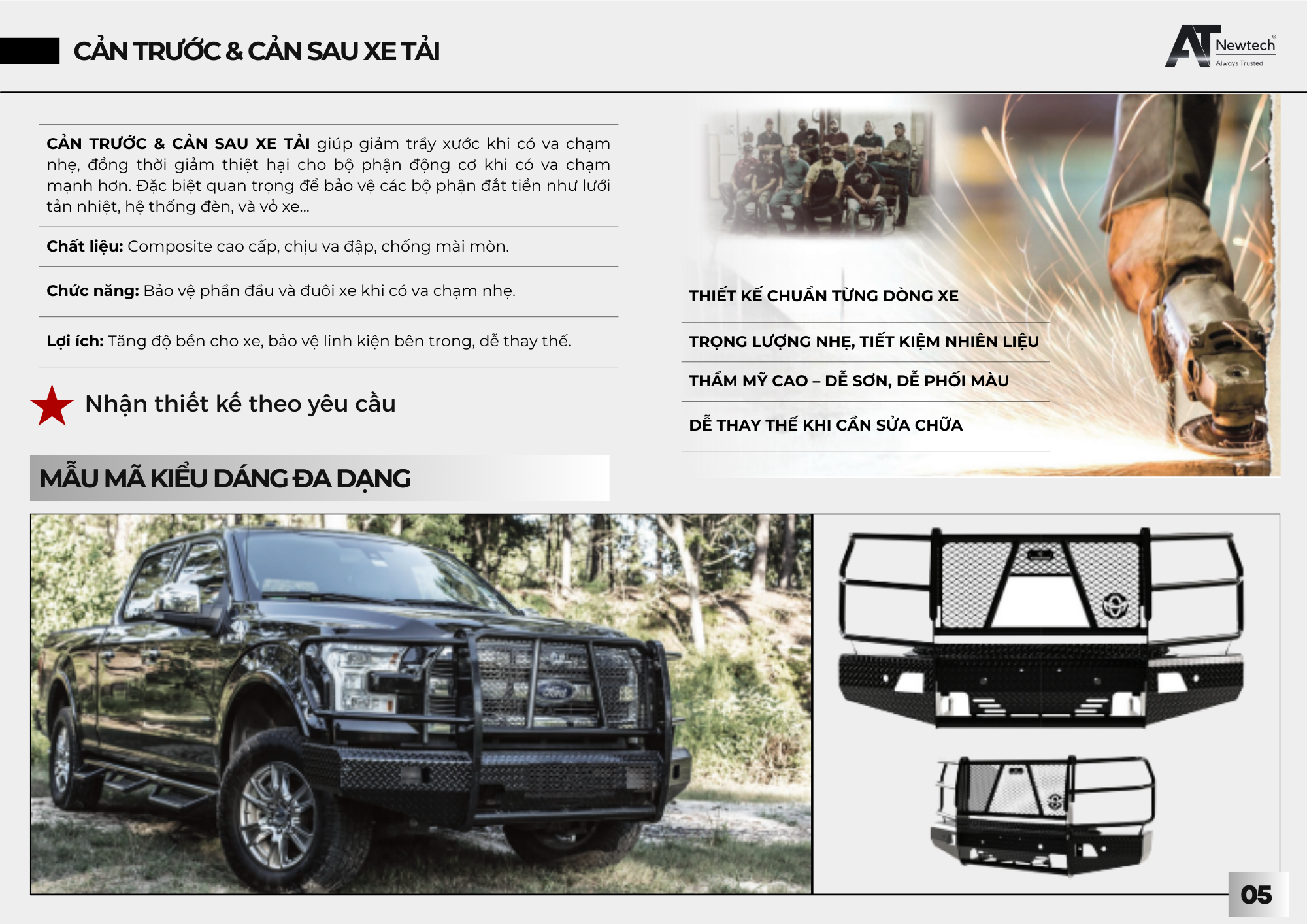
The front bumper and rear bumper are located at the front and rear ends of a vehicle, designed to protect the body and chassis during collisions. They serve as the car’s first protective shield, absorbing impact and minimizing damage to key components such as the radiator, engine, headlights, taillights, and exhaust system.
-
Front bumper: Installed at the vehicle’s front end to protect the engine, radiator, and headlights. It also contributes to aerodynamics and aesthetics, helping the car run more smoothly and efficiently.
-
Rear bumper: Located at the back, it protects the taillights, trunk, and exhaust system. Some modern models integrate reverse sensors or reflectors for safer parking.
Together, these bumpers not only enhance safety but also define the car’s visual identity — expressing a bold, sporty, or luxurious style depending on the design.
2. Types of Bumpers by Material
Today’s market features three main types of bumpers: metal, plastic, and composite, each with its own pros and cons.
2.1. Metal Bumpers (Steel, Stainless Steel, Aluminum)
-
Advantages:
-
Highly impact-resistant and durable.
-
Easy to fabricate, suitable for trucks and off-road vehicles.
-
-
Disadvantages:
-
Heavy, increasing overall vehicle weight.
-
Prone to rust and paint peeling over time.
-
Hard to shape for fine aesthetics.
-
2.2. Plastic Bumpers (ABS, PP, PVC)
-
Advantages:
-
Lightweight, flexible, and easy to paint.
-
Affordable and easy to replace.
-
-
Disadvantages:
-
Less durable, cracks easily upon strong impact.
-
Short lifespan, fades quickly under heat or sunlight.
-
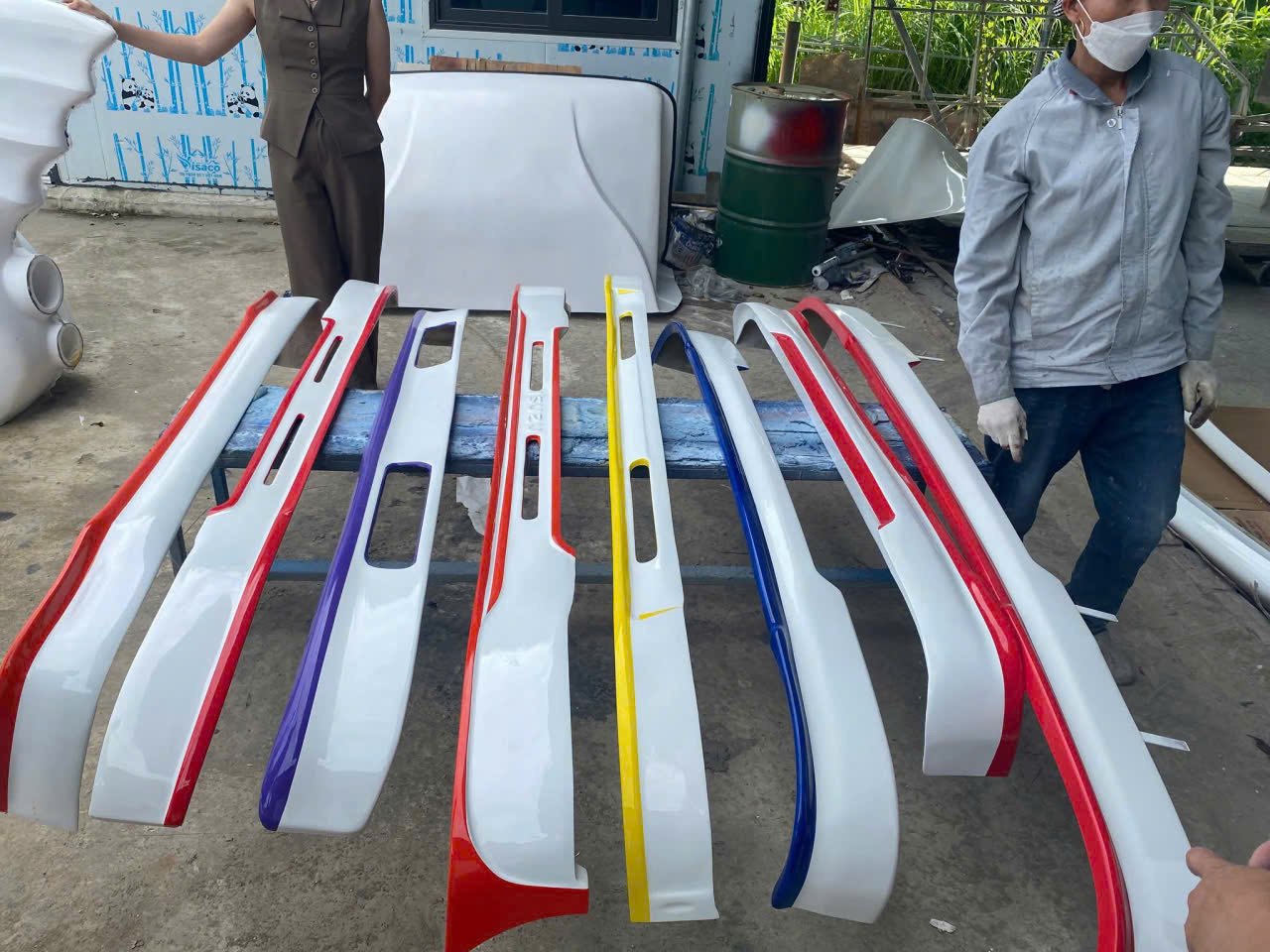
2.3. Composite Bumpers (FRP – Fiberglass Reinforced Plastic)
-
Key Advantages:
-
30–40% lighter than metal.
-
Excellent corrosion, oxidation, and weather resistance.
-
Easily customizable for sporty, modern designs.
-
Rustproof, heat-resistant, and moisture-stable.
-
Can be repaired or resurfaced quickly when scratched.
-
-
Disadvantages:
-
Higher price than basic plastic bumpers.
-
Requires professional painting and installation for best fit.
-
✅ >Verdict: Composite bumpers are the modern replacement for metal and plastic — ideal for passenger cars, pickups, and light trucks that need aesthetics, strength, and lightness combined.
3. Why Replace Metal Bumpers with Composite?
Switching from traditional metal bumpers to composite brings clear benefits in durability, appearance, and long-term performance.
3.1. Reduce Weight – Save Fuel
Composite bumpers are up to 40% lighter than steel ones. The lighter the car, the lower the fuel consumption — helping owners save 5–10% fuel on average.
3.2. Rustproof – Weather Resistant
Unlike metal, composite does not oxidize or corrode under sunlight, rain, seawater, or chemicals — perfect for vehicles operating in coastal, industrial, or long-distance environments.
3.3. High Impact Resistance
The fiberglass structure in composite material absorbs shock effectively, minimizing body damage. Minor collisions won’t deform composite bumpers like metal ones.
3.4. Superior Aesthetics
Composite allows flexible design and coloring (including carbon-look finishes), giving the car a more sporty, elegant, and integrated look. For models like Kia Morning, Fortuner 2015, or Ford Ranger, composite bumpers significantly upgrade exterior appearance.
3.5. Easy Repair – Low Maintenance Cost
Scratches can be easily repaired by refinishing or recoating with epoxy, without full replacement like plastic bumpers.
4. Comparison: Composite vs. Metal Bumpers
| Criteria | Metal Bumper | Composite Bumper |
| Weight | Heavy, increases fuel use | Light, saves fuel |
| Durability | Rigid but dents easily | Flexible, impact-resistant |
| Rust Resistance | Prone to corrosion | Rustproof and oxidation-free |
| Aesthetics | Basic, limited design | Easily shaped, stylish finish |
| Cost | Lower initial cost | Higher upfront, lasts longer |
| Best for | Trucks, utility vehicles | Passenger cars, pickups, sports vehicles |
5. Popular Composite Front Bumper Types
5.1. Isuzu Composite Front Bumper
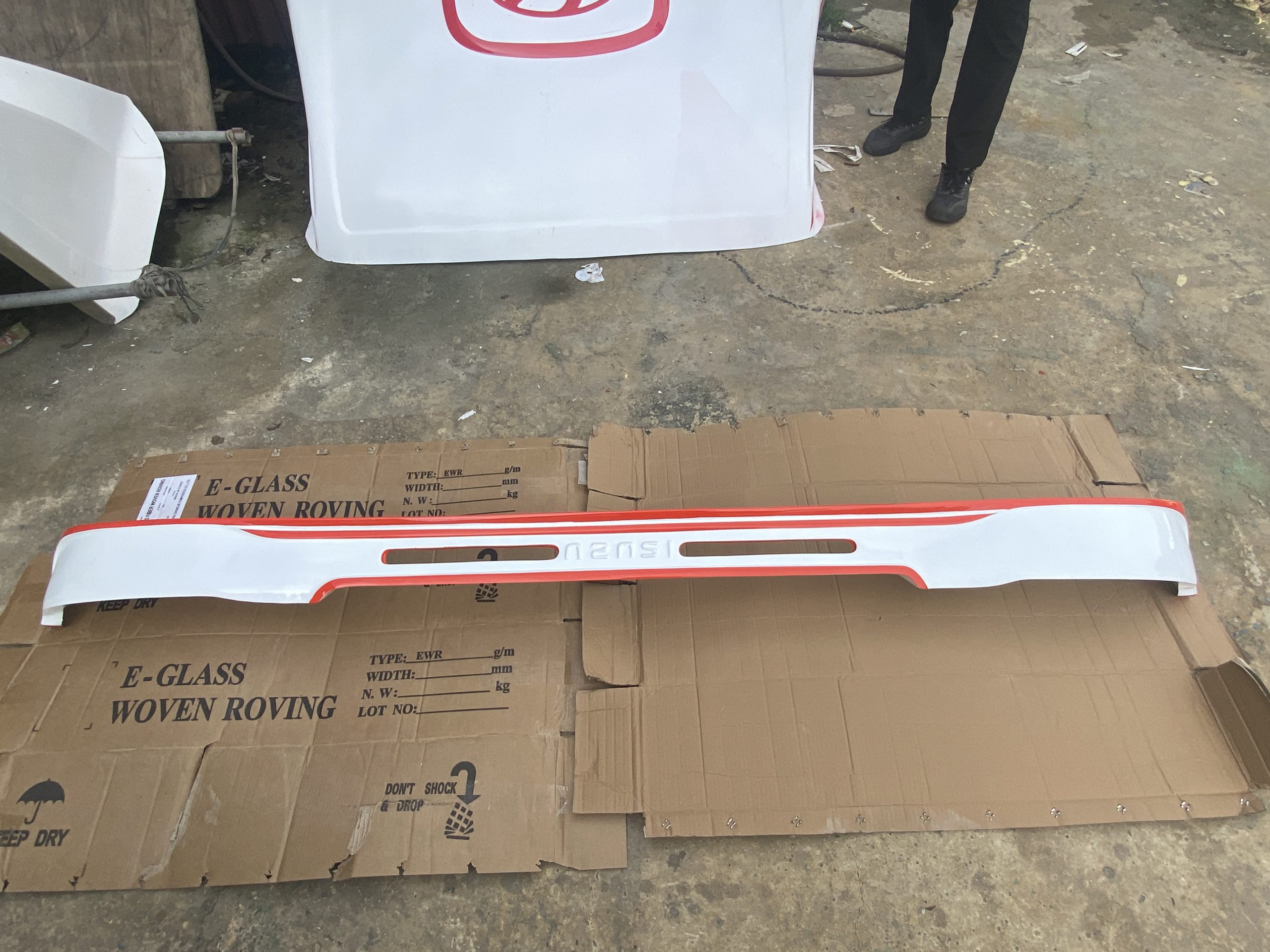
Tightly hugs the body with a precise OEM form — adds strength and elegance to Kia Morning. Twice as durable as standard plastic, ideal for urban environments.
5.2. FG Hino Composite Front Bumper
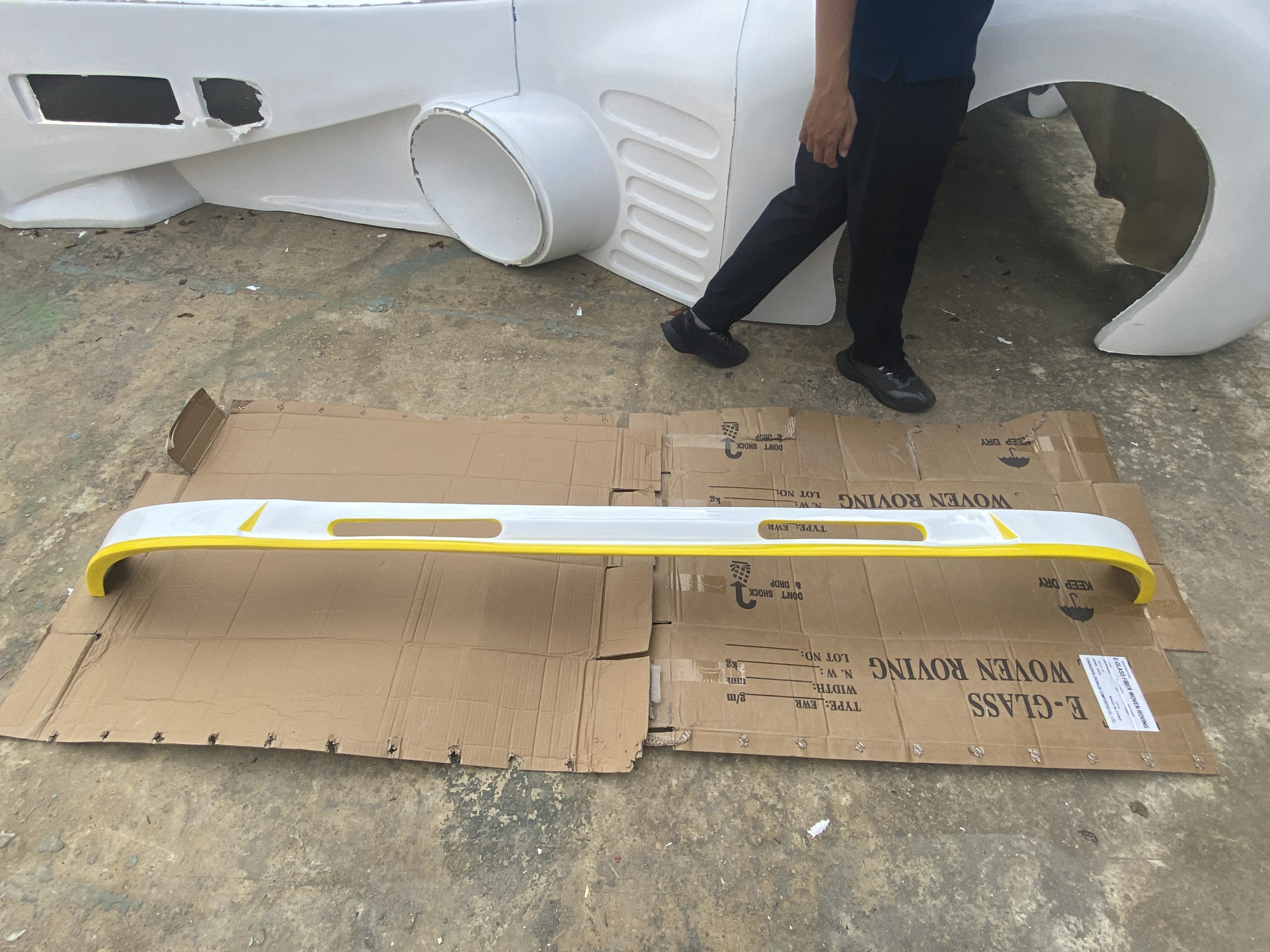
Designed for pickups — significantly lighter than traditional steel bumpers. Easy to install and paint to match the vehicle’s color.
5.3. FC Hino Composite Front Bumper
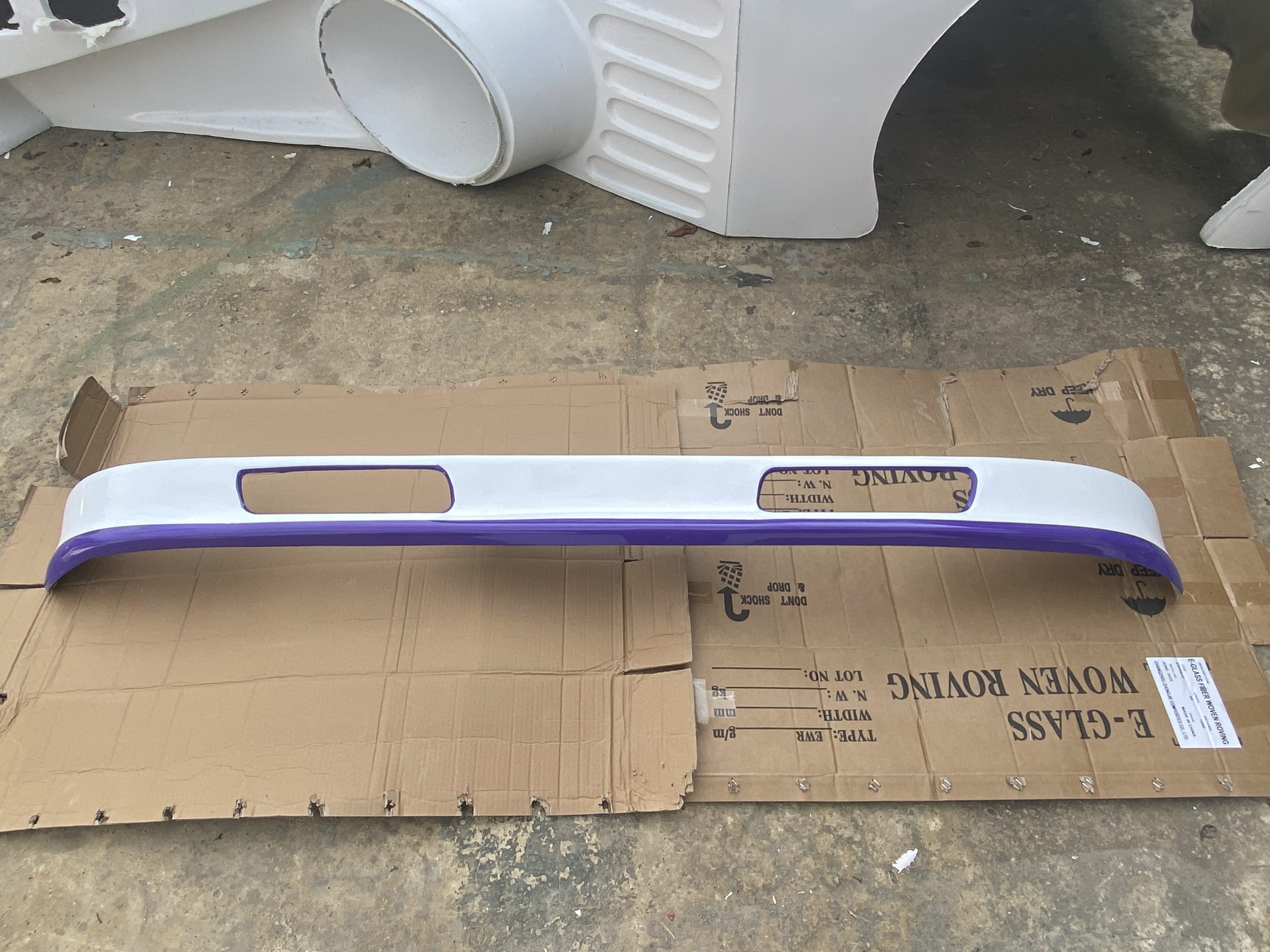
A new, modernized design that’s fully rust- and scratch-resistant. The PU-coated composite surface retains color over time, suitable for both personal and commercial vehicles.
6. Practical Applications of Composite Bumpers in the Automotive Industry
-
Passenger cars: Enhance aesthetics, reduce weight, and improve fuel efficiency.
-
Pickup trucks (Ford Ranger, Hilux): Increase rigidity, reduce weight, and upgrade exterior appearance.
-
Trucks and special-purpose vehicles: Reduce wear and tear, and make damaged parts easier to replace.
-
Modified and sports cars: Composite material is highly customizable, ideal for off-road or sporty styling.
7. Why Choose Composite Bumpers from AT Newtech
AT Newtech is one of Vietnam’s leading manufacturers and fabricators of composite bumpers, trusted by numerous garages, showrooms, and individual customers nationwide.
Key advantages of AT Newtech composite products:
-
Made from premium FRP composite, highly impact-resistant and UV-protected.
-
Precisely designed for each car model — perfect fit, no modification needed.
-
3 times more durable than plastic bumpers, and 40% lighter than metal ones.
-
Finished with 2K paint or gelcoat, scratch-resistant and colorfast for over 5 years.
-
Customizable according to customer requests or project-specific designs.
AT Newtech currently provides a wide range of composite bumper types:
-
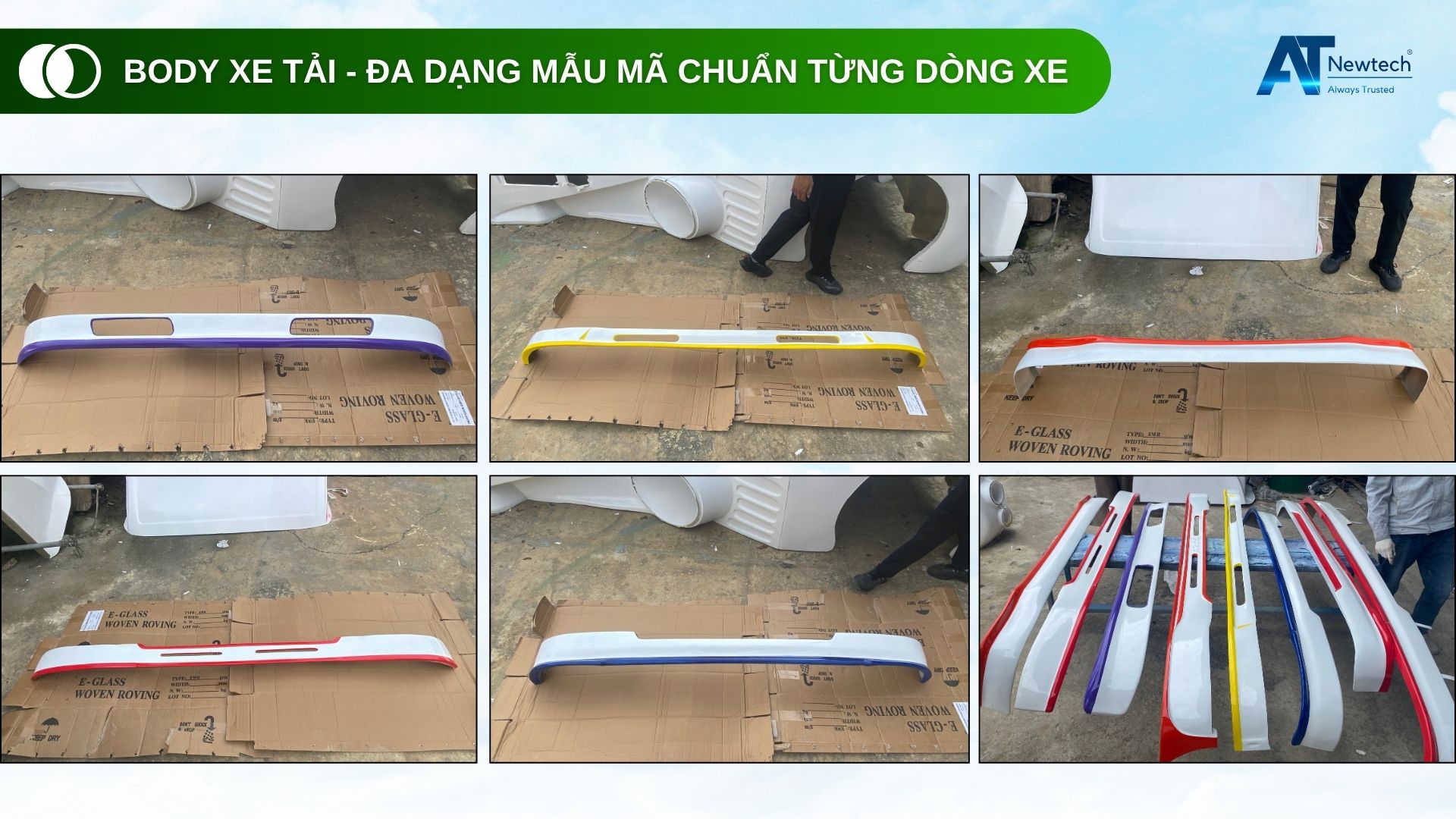
Composite front and rear bumpers for cars
-
Truck side bumpers made of composite
-
Custom-designed sport bumpers for tuning and modification projects
8. Pricing and Installation Consultation for Composite Bumpers
Depending on the vehicle model (Kia Morning, Fortuner, Ranger, trucks, etc.), composite bumper prices range from 1,500,000 to 4,500,000 VND per set, including standard painting and installation.
-
Nationwide delivery.
-
Installation at the workshop or detailed instructions for self-installation.
-
12-month technical warranty.
📞 Contact Hotline: 0834.473.166 for free consultation and an accurate quote based on your vehicle model.
Replacing front and rear car bumpers with composite is an inevitable trend in the modern automotive industry. It not only makes the vehicle lighter and more fuel-efficient but also enhances its aesthetics and durability.
With advanced manufacturing technology, AT Newtech is committed to delivering high-quality, cost-effective, and long-lasting composite bumper solutions.
With advanced manufacturing technology, AT Newtech is committed to delivering high-quality, cost-effective, and long-lasting composite bumper solutions.
👉 Contact AT Newtech today – Hotline: 0834.473.166 for expert advice on the most suitable bumper type for your vehicle.

Tư Vấn Bán Hàng
0338.020.530 / 0834.473.166

Hỗ Trợ Kỹ Thuật
0368.17.22.26
Tư Vấn
Địa chỉ văn phòng hà nội